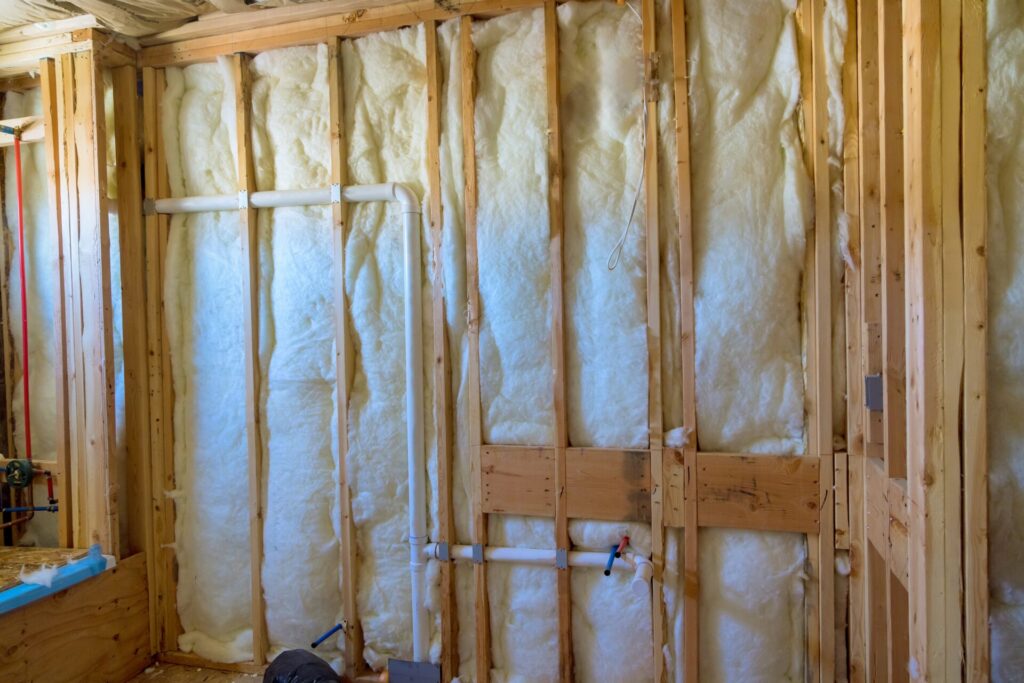
The Science of Insulation: How It Keeps Your Home Cool
The science of insulation plays a crucial role in maintaining a comfortable indoor environment, particularly during hot summer months. Insulation works by reducing the transfer of heat through walls, roofs, and floors, thereby keeping your home cool. It does this through three primary processes: conduction, convection, and radiation. By limiting conductive heat transfer, effective insulation materials such as fiberglass, foam, and cellulose can significantly decrease the need for air conditioning, lowering energy bills and enhancing overall comfort.
In addition to its cooling benefits, insulation also contributes to environmental sustainability. Energy-efficient homes require less energy to maintain a stable temperature, which in turn reduces carbon emissions from power plants. Therefore, investing in high-quality insulation is not just a smart choice for your wallet but also for the planet. To maximize the effectiveness of your insulation, consider factors such as R-value, which measures thermal resistance, and ensure proper installation to avoid any gaps that can compromise its performance.
5 Ways Insulation Can Lower Your Energy Bills in the Summer
As summer heats up, many homeowners are looking for ways to reduce their energy bills. One effective solution is proper insulation. Here are 5 ways insulation can lower your energy bills in the summer:
- Temperature Regulation: Insulation helps keep your home cool during hot days by reducing heat infiltration. When your home is well-insulated, it maintains a stable indoor temperature, which means your air conditioning system won’t have to work as hard to keep the space comfortable.
- Energy Efficiency: With effective insulation, you can increase your home's energy efficiency. This not only leads to lower energy bills but also contributes to a reduced carbon footprint.
- Comfort Levels: Good insulation minimizes temperature fluctuations, providing consistent comfort throughout your home. This reduces the need for frequent air conditioning cycles, leading to noticeable savings.
- Longevity of HVAC Systems: By shielding your home from heat, insulation places less strain on your HVAC systems, potentially extending their lifespan and reducing maintenance costs.
- Lower Demand for Cooling: Finally, with less heat entering your home, the overall demand for cooling decreases. This equates to lower energy consumption and, ultimately, savings on your energy bills.
Is Your Home Ready for Summer? The Importance of Insulation
As the temperatures rise and summer approaches, it's essential to assess whether your home is truly ready for summer. One key factor that can significantly impact your home’s comfort and energy efficiency is insulation. A well-insulated home not only keeps the cool air inside during the hot months but also helps reduce energy bills. If your insulation is outdated or insufficient, you might experience fluctuating indoor temperatures, leading to excessive reliance on air conditioning systems, which can be costly and environmentally harmful.
To determine if your home requires better insulation, consider the following steps:
- Inspect your attic: Much of a home's heat can escape through the roof.
- Check your walls: Make sure they have adequate insulation to maintain a stable temperature.
- Evaluate your windows and doors: Ensure they are sealed properly to prevent drafts.
Taking the time to improve your home's insulation can lead to a more comfortable living space and significant savings throughout the summer months.