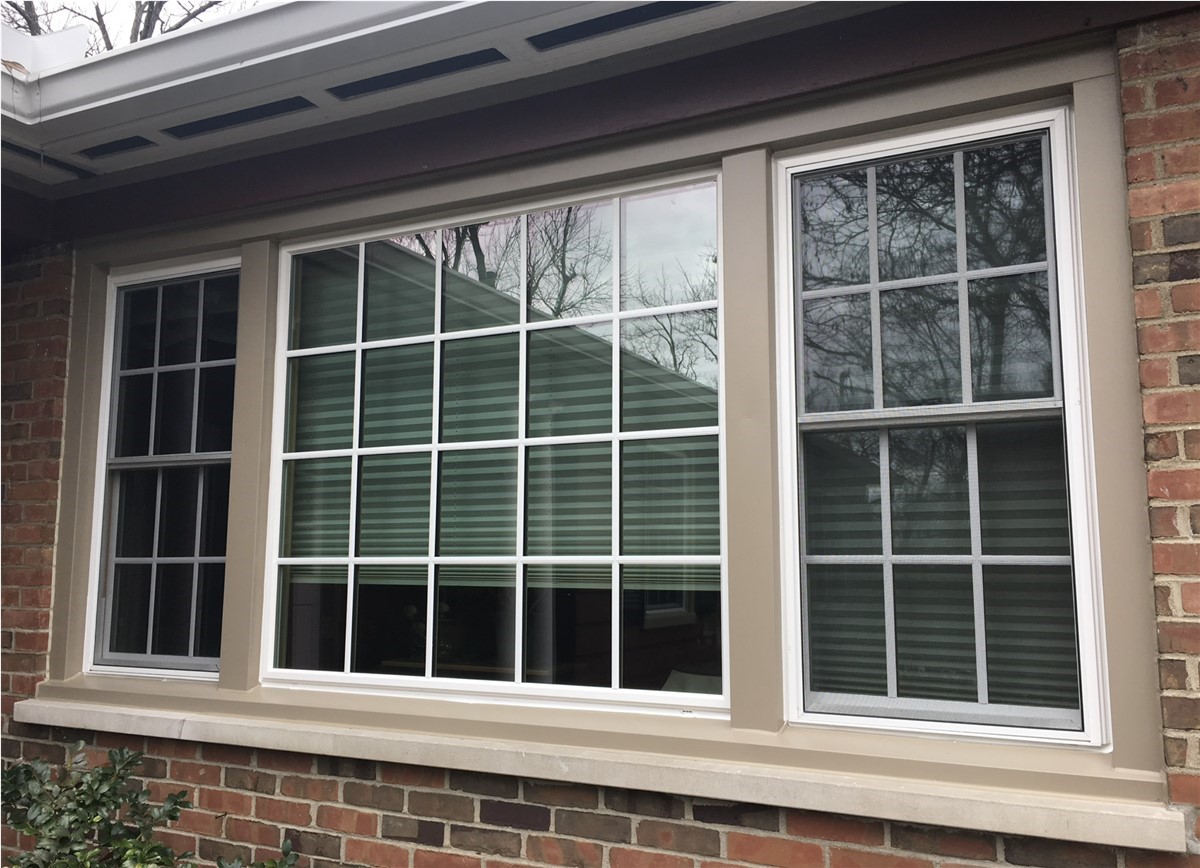
Top 5 Signs Your Windows Need Replacement: How to Spot the Issues
When it comes to maintaining your home, one of the most crucial elements to inspect is your windows. Over time, windows can show signs of wear and tear that indicate they may need to be replaced. Here are the top 5 signs your windows need replacement:
- Drafts and Air Leaks: If you feel air coming through your windows, it’s a clear sign that the seals have failed. This not only makes your home uncomfortable but also increases energy costs. Consider checking resources like the Energy Department for tips on identifying drafts.
- Condensation Between Panes: Moisture trapped between window panes indicates that the insulating seal has broken. This can lead to reduced energy efficiency and mold growth. For more details, visit HouseLogic.
- Difficulty Operating: Windows that are hard to open or close can signal structural issues or swelling from moisture. Regular maintenance can help, but a replacement might be necessary if the problem persists.
- Visible Damage: Look for signs such as cracks, wood rot, or stains around your windows. These are indicators of damage that could lead to more significant issues if not addressed promptly. You can learn more about window maintenance techniques from HomeAdvisor.
- Increased Energy Bills: If you notice a sudden spike in heating or cooling costs, your old windows may not be providing adequate insulation. Upgrading to energy-efficient windows could save you money in the long run.
The Ultimate Guide to Choosing the Right Windows for Your Home
Choosing the right windows for your home is a crucial decision that affects not only the aesthetics but also the energy efficiency and comfort of your living space. To start, consider the various types of windows available, such as double-hung, casement, and sliding windows. Each type offers unique benefits; for instance, double-hung windows are great for ventilation, while casement windows provide an unobstructed view. For a comprehensive breakdown of window types, visit DIY Network. Additionally, assess the frame materials, which can range from wood to vinyl and fiberglass, as they significantly influence durability and maintenance requirements.
Once you’ve narrowed down your options, it’s vital to consider energy efficiency. Look for windows that have a good Energy Star rating to reduce your utility bills and improve your home’s comfort. Features such as low-emissivity (Low-E) glass and argon gas fills enhance insulation and minimize heat transfer. Before making your final choice, it’s wise to read reviews and reports on the best window brands. Resources like Energy.gov provide valuable insights into energy-efficient windows that meet your specific needs and budget. By factoring in these elements, you can ensure that you make an informed decision that will enhance your home for years to come.
Window Replacement FAQs: What You Need to Know Before You Start
Replacing your windows can be a significant investment, and it's important to be informed before you take the plunge. Here are some frequently asked questions regarding window replacement that can help guide your decision-making process:
- What are the benefits of window replacement? New windows can improve energy efficiency, enhance curb appeal, and increase the value of your home. Consider exploring Energy Saver for insights on energy-saving benefits.
- How do I choose the right type of window? Factors such as window style, material, and energy rating are crucial in your decision. You might want to check out the guide on Home Depot for a comprehensive overview.
Another prominent concern is cost. The price of window replacement can vary significantly based on factors like window type and installation complexity. Typically, homeowners spend anywhere between $300 to $1,200 per window, including installation. To grasp the potential costs, the Fixr website provides detailed cost breakdowns and considerations.
Finally, timing is essential. Most experts recommend scheduling window replacements during moderate weather conditions—spring or fall. This timing ensures that the installation is effective and reduces further heating or cooling expenses. For more tips on optimal timing for your projects, refer to Renewal by Andersen.