Top 5 Common Roofing Mistakes and How to Avoid Them
When it comes to roofing, there are several common mistakes that homeowners often make, which can lead to costly repairs down the line. For instance, one major error is improper installation, which can compromise the roof's integrity. Here are the top 5 common roofing mistakes:
- Skipping Inspections: Regular roof inspections are essential for catching potential issues early. Missing this step can lead to severe damage.
- Using Incorrect Materials: Choosing the wrong materials for your climate can significantly impact your roof's performance. Always consult professionals for the best options suitable for your area.
- Neglecting Ventilation: Poor ventilation can cause heat and moisture buildup, leading to premature roof damage.
- Overlooking Flashing: Flashing is essential for directing water away from vulnerable areas. Neglecting this can lead to leaks.
- DIY Repairs: While DIY projects can be rewarding, roofing repairs should often be left to the professionals to ensure safety and effectiveness.
Understanding these mistakes is crucial for any homeowner looking to maintain their roof properly. To avoid these pitfalls, it is recommended to educate yourself about roofing basics and consult reputable resources. For more detailed information on roofing best practices, check out reliable sources such as National Roofing Contractors Association and HGTV. By taking these precautions, you can prolong the life of your roof and save yourself from unexpected expenses in the future.
What to Do When Your Roofing Project Goes Wrong
Experiencing issues during a roofing project can be stressful and overwhelming. The first step you should take is to assess the situation. Identify the specific problems you are facing, whether it’s leaks, poor installation, or damage to your property. If the issue is related to the workmanship, document everything with photographs and notes; this can be crucial for any future discussions with your contractor. You can also refer to resources like the National Roofing Contractors Association for guidance on what constitutes proper roofing practices.
Once you have assessed the problems, the next step is to communicate effectively with your contractor. Arrange a meeting to discuss your concerns and show them the documentation you collected. If the contractor is unresponsive or unwilling to address the issues, consider reaching out to a local mediation service or a legal advisor. Additionally, you can explore resources like the Consumer Financial Protection Bureau for more tips on resolving contractor disputes.
Signs Your Roof Installation is Failing: Early Warning Tips
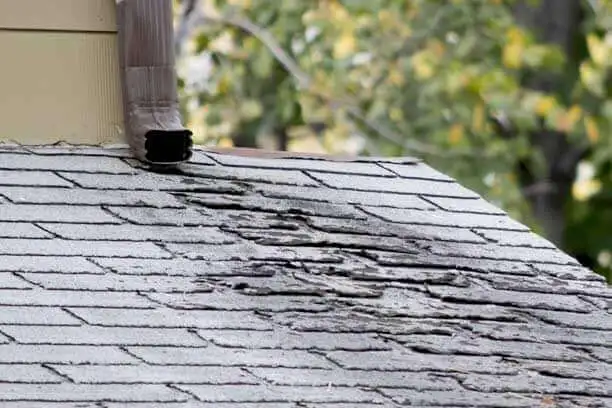
Recognizing the signs your roof installation is failing early can save you from costly repairs down the line. One of the most apparent indicators is the presence of leaks. If you notice water stains on your ceilings or walls, it's a clear signal that your roof's integrity is compromised. Additionally, shingle damage such as curling, cracking, or missing shingles can be a red flag. Regularly inspect your roof and keep an eye out for any of these signs. For more detailed insights, visit The Spruce for maintenance tips.
Another crucial sign to look out for is an abnormal increase in your energy bills. A failing roof may lead to poor insulation, causing your heating and cooling systems to work harder. Furthermore, if you notice mold or mildew growth in your attic or on your walls, it's time to investigate further as this can indicate trapped moisture due to roofing issues. It's essential to address these problems promptly to avoid more extensive damage. Check out NBC News for more signs to look out for.