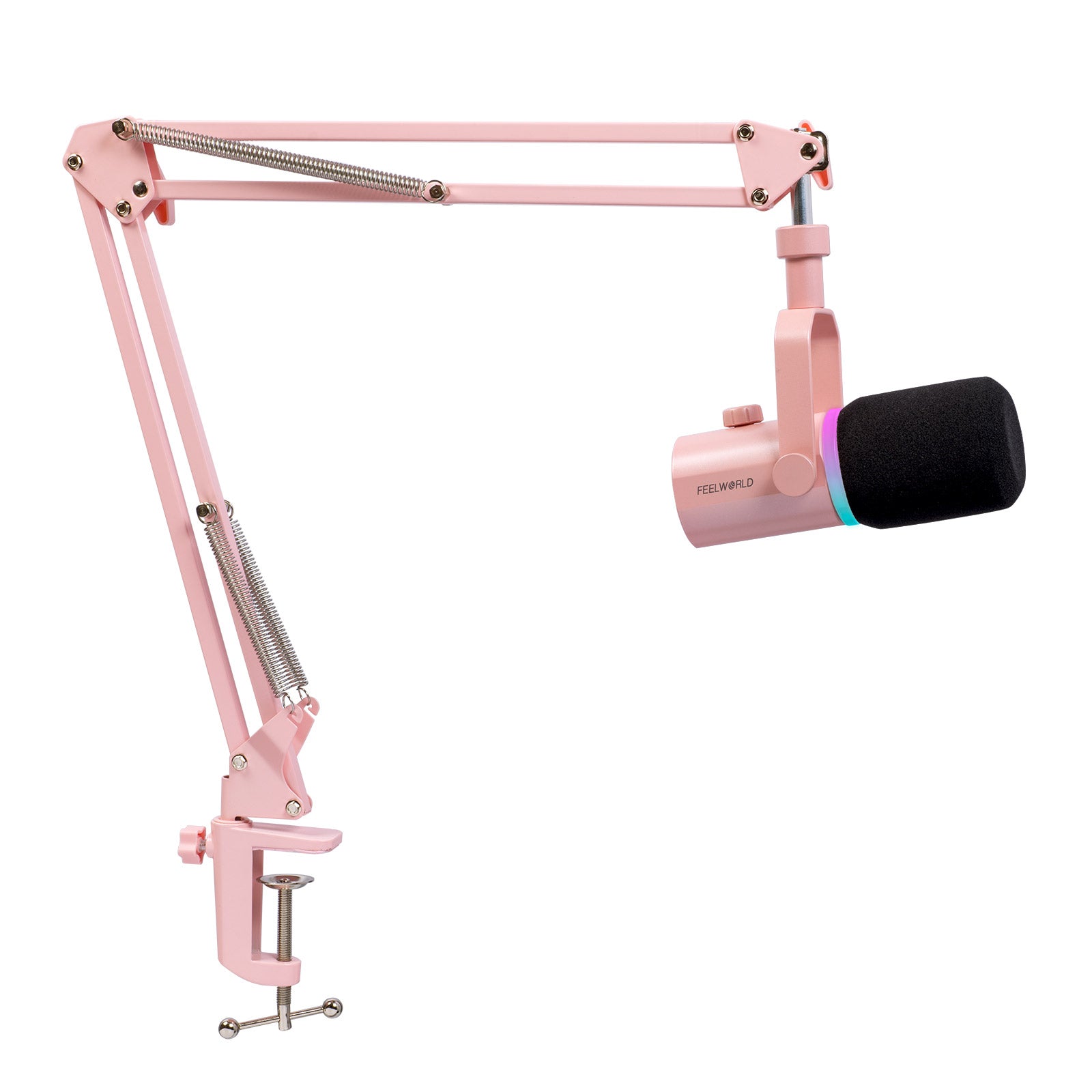
The Evolution of Microphones: From Acoustic to Digital
The evolution of microphones has been a fascinating journey, transitioning from rudimentary acoustic devices to sophisticated digital technologies. Acoustic microphones, such as the early carbon button models used in the late 19th century, relied on vibrations to convert sound waves into electrical signals. These microphones were primarily used for telephony and early radio broadcasting, showcasing the initial steps in sound capture and amplification. As demand for higher audio fidelity grew, innovations like the dynamic and condenser microphones emerged in the mid-20th century, offering improved sound quality and versatility. Today, microphones serve multifaceted roles across various industries, including music production, broadcasting, and public speaking.
Fast forward to the digital age, the introduction of digital microphones marked a pivotal change in the landscape of audio technology. These modern devices are capable of capturing sound with unprecedented clarity and precision, thanks to advancements in digital signal processing. Unlike their analog predecessors, digital microphones can easily connect to computers and other devices, facilitating seamless integration in digital audio workstations and enabling innovative applications such as voice recognition and streaming. As we look ahead, the continuous advancements in microphone technology will likely drive even more changes in how we capture and experience sound, solidifying their essential role in our daily lives.
How to Choose the Right Microphone for Your Sound Adventure
Choosing the right microphone can make all the difference in your sound adventure, whether you're recording a podcast, streaming live, or capturing the perfect music performance. First, consider the type of microphone that best suits your needs. There are generally three types: dynamic microphones, known for their durability and ability to handle high sound pressure levels; condenser microphones, which provide greater sensitivity and detail, making them ideal for studio recordings; and ribbon microphones, which deliver warmth and a vintage tone. Each type serves different purposes, so understanding your requirements is essential.
Next, pay attention to the microphone's specifications, such as polar pattern, frequency response, and connectivity options. Choose a polar pattern that suits your recording environment; cardioid patterns are great for isolating sound in noisy settings, while omnidirectional patterns can capture sound from all directions, making them perfect for group recordings. Additionally, consider whether you want a USB or XLR microphone depending on your setup and budget. By taking the time to evaluate these factors, you'll be well on your way to finding the perfect microphone for your sound adventure.
Common Microphone Myths Debunked: What You Need to Know
Microphones are essential tools in various fields, yet numerous myths persist about their capabilities and uses. One common misconception is that all microphones are created equal. However, microphone quality can vary greatly depending on factors like type, brand, and design. For instance, condenser microphones are often preferred for vocals due to their sensitivity, while dynamic microphones are more durable and suited for live events. Understanding these distinctions is crucial for making informed decisions about equipment.
Another prevalent myth is that an expensive microphone guarantees superior sound quality. While high-end microphones often come with advanced features, sound quality ultimately depends on various factors, including recording environment and engineer skill. Moreover, proper microphone placement and connection can significantly impact audio clarity. To achieve the best results, it's essential to focus not just on the microphone itself, but also on the entire recording setup.