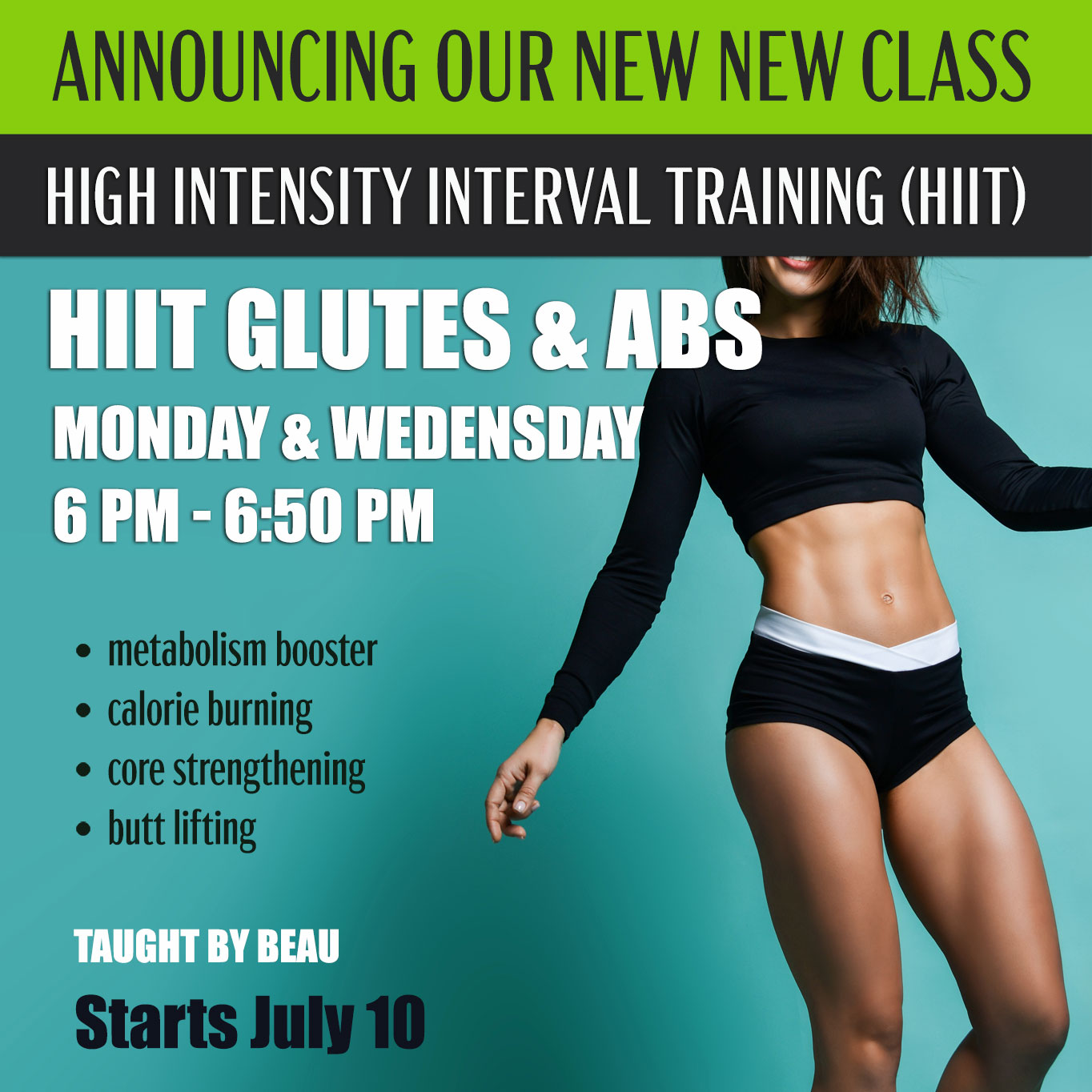
Unleashing the Benefits of HIIT: Why It's the Fastest Way to Get Fit
High-Intensity Interval Training (HIIT) has rapidly gained popularity among fitness enthusiasts and casual gym-goers alike, thanks to its efficient approach to burning fat and building endurance. By alternating short bursts of intense exercise with recovery periods, HIIT workouts maximize calorie burn in a fraction of the time compared to traditional steady-state cardio. Studies suggest that people can burn up to 30% more calories in the same amount of time, making it an ideal choice for those with busy schedules. Additionally, the metabolic boost that follows a HIIT session can lead to continued calorie burning even after the workout is over, a phenomenon known as excess post-exercise oxygen consumption (EPOC). This makes HIIT not just efficient, but also potent for weight loss.
Moreover, the benefits of HIIT extend beyond just weight loss. Engaging in these high-energy workouts can significantly improve cardiovascular health, enhance aerobic capacity, and build lean muscle mass. According to a study published by the National Institutes of Health, participants who completed HIIT programs showed improvements in heart health markers and overall fitness levels. Additionally, the time-efficient nature of HIIT allows for a flexible workout schedule that can fit seamlessly into your daily routine, encouraging consistency and long-term results. So if you’re looking to transform your fitness journey and achieve your goals faster, it’s time to consider incorporating HIIT into your workouts.
10 Essential Tips for Starting Your HIIT Journey
Are you ready to dive into the world of High-Intensity Interval Training (HIIT)? Getting started might seem daunting, but with the right approach, you'll quickly find your groove. Here are 10 essential tips to kick off your HIIT journey:
- Start Slow: If you're new to exercise or high-intensity training, begin with shorter sessions and gradually increase the intensity as your fitness level improves.
- Set Clear Goals: Establish specific and measurable goals for your HIIT workouts, whether it's fat loss, muscle gain, or improving cardiovascular health.
- Choose Your Exercises Wisely: Opt for a variety of exercises like burpees, sprints, or jumping jacks to keep your routine exciting. You can find great workout combinations at Healthline.
- Prioritize Form: Proper form is crucial to avoid injuries. Focus on mastering the techniques before increasing the intensity.
- Stay Hydrated: Drink plenty of water before, during, and after your HIIT sessions to maintain optimal performance.
- Invest in the Right Gear: Quality footwear and comfortable clothing can significantly enhance your workout experience.
- Warm Up and Cool Down: To prevent injuries, spend 5-10 minutes warming up before and cooling down after your workouts. For effective warm-up routines, check out Verywell Fit.
- Listen to Your Body: Pay attention to how your body feels during workouts; it's essential to adjust intensity as needed.
- Track Your Progress: Keep a workout journal or use fitness apps to monitor improvements and stay motivated.
- Stay Consistent: Consistency is key in any fitness regime. Try to incorporate HIIT into your routine at least 2-3 times a week for the best results.
How Does HIIT Compare to Traditional Cardio in Weight Loss?
High-Intensity Interval Training (HIIT) and traditional cardio are two popular approaches to weight loss. HIIT involves short bursts of intense exercise followed by rest or low-intensity periods, which can lead to greater fat loss in a shorter amount of time compared to traditional cardio. Traditional cardio, such as jogging or cycling at a steady pace, generally requires longer durations to achieve similar calorie burn. A study published in the Journal of Obesity indicated that HIIT may be more effective in reducing body fat while preserving muscle mass, making it an appealing option for those looking to optimize their weight loss efforts.
Moreover, the efficiency of HIIT also contributes to its appeal. With workouts ranging from just 15 to 30 minutes, individuals can fit them more easily into busy schedules, potentially leading to higher adherence rates compared to longer, low-intensity cardio sessions. Furthermore, HIIT has been shown to boost metabolism significantly in the hours following exercise, a phenomenon often referred to as excess post-exercise oxygen consumption (EPOC) according to research. Ultimately, the choice between HIIT and traditional cardio depends on personal preferences, fitness levels, and specific weight loss goals.